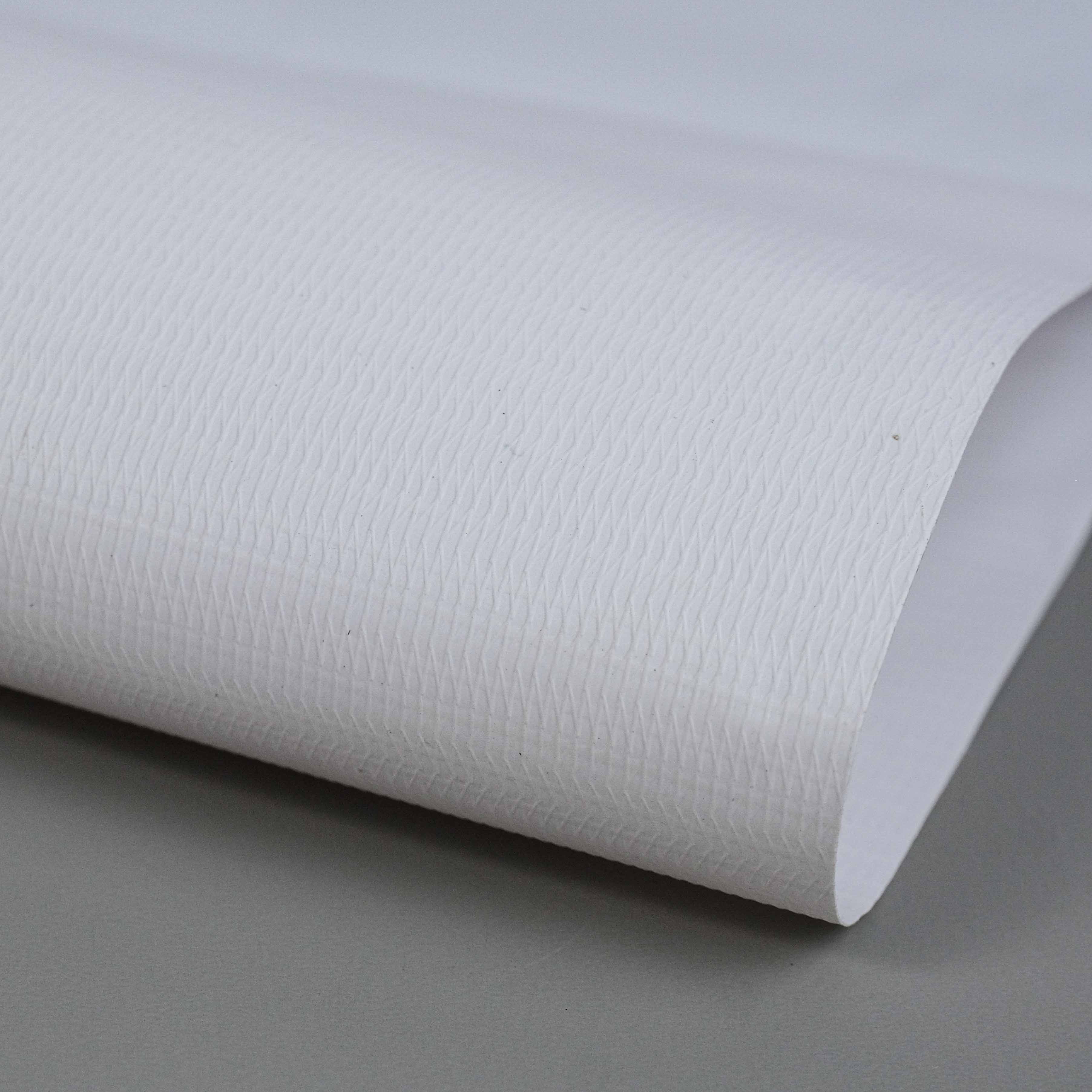
**Innovative Environmentally Friendly Waterproof Fabric Sets New Standard in Sustainable Textiles**In a significant stride towards sustainable fashion and eco-conscious manufacturing, a groundbreaking environmentally friendly waterproof fabric has recently been introduced, promising to revolutionize the textile industry. This new material combines advanced waterproof technology with sustainable production methods, offering a responsible alternative to traditional fabric treatments that often rely on harmful chemicals and energy-intensive processes.The development of this innovative fabric addresses a growing demand for green solutions in outdoor apparel, workwear, and various other sectors where waterproof textiles are essential. By prioritizing eco-friendly materials and minimizing environmental impact, the fabric stands as a testament to how innovation and sustainability can seamlessly merge to create products that respect both performance and the planet.### Unveiling the Features of an Eco-Conscious Waterproof FabricWaterproof fabrics traditionally depend on treatments involving perfluorinated compounds (PFCs), which have been associated with environmental and health risks including persistence in ecosystems and bioaccumulation. Recognizing these challenges, developers have engineered this fabric to deliver waterproof performance without the use of toxic chemicals, thereby mitigating ecological harm.Utilizing biodegradable coatings derived from plant-based materials, the fabric maintains high water repellency while allowing breathability — a crucial factor for wearer comfort in active conditions. Additionally, the manufacturing process incorporates low-impact dyes and employs water-saving technologies that reduce wastewater discharge characteristic of textile production.The fabric’s durability has not been compromised for sustainability. Rigorous testing confirms that it withstands harsh weather conditions, resists wear and tear, and requires less frequent replacements, contributing further to waste reduction.### Advancing Circular Economy Principles in TextilesBeyond its material composition, the fabric’s design aligns with circular economy principles by being fully recyclable. At the end of its life cycle, garments made from this fabric can be processed to recover raw materials that re-enter the production cycle, reducing reliance on virgin resources and minimizing landfill waste.This cradle-to-cradle approach is supported by a growing network of recycling facilities equipped to handle advanced textile materials, showcasing an integrated solution for sustainability in fashion and industrial textiles alike.### Company Commitment to Sustainable InnovationThe company behind this breakthrough fabric has a long-standing reputation for pioneering sustainable textile solutions. Founded on principles of environmental stewardship and innovation, the organization has consistently invested in research and development to create materials that reduce environmental footprints while delivering superior functionality.Leveraging state-of-the-art laboratories and cross-disciplinary expertise, the company’s dedicated teams focus on holistic sustainability — encompassing raw material sourcing, energy-efficient production, waste minimization, and social responsibility. The new waterproof fabric exemplifies this ethos by combining scientific rigor with a commitment to ecological balance.### Industry Impact and Future ProspectsAs climate change intensifies and consumer awareness about environmental issues rises, the textile industry faces mounting pressure to adopt sustainable practices. Conventional waterproof fabrics have been a particular challenge due to their reliance on environmentally detrimental substances. The introduction of this new fabric marks a pivotal moment in overcoming this barrier.Outdoor gear manufacturers, fashion brands, and even sectors such as automotive and furnishings stand to benefit from a waterproof textile that does not compromise on eco-credentials. By integrating this material into their products, companies can reduce toxic chemical usage, lower carbon footprints, and appeal to a progressively conscientious customer base.Looking ahead, ongoing collaborations with global partners aim to scale production and broaden application areas for the fabric, including medical textiles and technical protective wear. These initiatives highlight the fabric’s versatility and the company’s vision for a sustainable textile future.### Consumer Benefits and Environmental GainsFor consumers, apparel and products crafted with this fabric offer several tangible advantages. They provide reliable waterproof protection suitable for a range of climates and activities while ensuring comfort through breathable performance. Additionally, by choosing products made from sustainable materials, consumers actively participate in reducing environmental degradation linked to fashion and textile industries.From an environmental perspective, the fabric’s low-impact lifecycle reduces chemical pollution, conserves water, and decreases greenhouse gas emissions associated with conventional waterproof textiles. The recyclability factor also facilitates waste reduction and resource efficiency, integral components of sustainable development goals.### ConclusionThe introduction of this environmentally friendly waterproof fabric represents a major advancement in sustainable textiles, embodying the fusion of environmental responsibility with cutting-edge technology. As the textile industry continues to evolve amid escalating ecological concerns, innovations like these are essential to shape a future where high-performance materials coexist harmoniously with planetary health.This fabric not only offers a viable solution to the challenges posed by traditional waterproof textiles but also sets a new standard for what eco-conscious product development can achieve. With continued commitment, collaboration, and consumer support, the promise of truly sustainable waterproof fabrics is becoming an attainable reality, fostering a greener and more resilient textile sector worldwide.
Read More